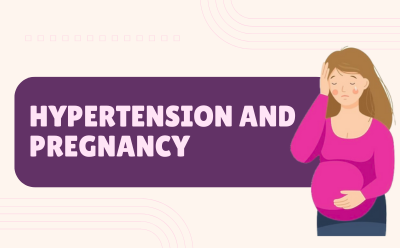
Hypertension and Pregnancy
Understanding Blood Pressure Changes During Pregnancy
During pregnancy, hormonal changes and vasodilation (widening of blood vessels) cause blood pressure to drop slightly during the early months. It usually reaches its lowest level around 20–24 weeks of gestation and gradually returns to normal levels in the later part of pregnancy.
However, some women experience elevated blood pressure either before pregnancy (pre-existing hypertension) or develop it for the first time during pregnancy (pregnancy-induced hypertension).
Types of Hypertension in Pregnancy
1. Pre-existing Hypertension:
This refers to high blood pressure that was present before conception or appears before 20 weeks of pregnancy.
2. Pregnancy-Induced Hypertension (PIH):
This condition develops after 20 weeks of gestation and can progress to pre-eclampsia, a more severe form involving swelling, protein in urine, and organ complications.
Pregnancy-induced hypertension or pre-eclampsia often occurs in the second half of pregnancy. It may cause serious health issues such as headaches, epigastric pain, reduced urine output, generalized swelling, and abnormal kidney or liver function. Some women may also have reduced platelet counts and growth restriction in the baby due to poor placental circulation.
Why Early Detection Matters
The positive aspect of pregnancy-induced hypertension is that it usually resolves after childbirth. However, timely diagnosis and monitoring are extremely important to prevent complications for both the mother and baby. Regular antenatal checkups help in detecting high blood pressure early, allowing for proper treatment and dietary management.
How to Prevent Complications
To avoid problems during pregnancy, it is essential to:
- Monitor blood pressure regularly during antenatal visits.
- Continue routine supplements prescribed by your doctor.
- Eat a balanced diet rich in calcium, vitamin D, and protein.
- Stay active with light physical activity as recommended.
- Avoid excessive salt intake and maintain a healthy weight.
In cases of persistently high blood pressure, medications may be required under a doctor’s supervision. Proper rest, hydration, and emotional well-being also play a key role in managing hypertension during pregnancy.
When to Consult a Specialist
Women with a history of high blood pressure, obesity, or prior pregnancy complications should undergo regular checkups at a tertiary care hospital equipped to manage high-risk pregnancies. Consulting a qualified obstetrician and gynecologist is crucial to ensure the safety of both mother and child.
For Expert Consultation:
Dr. Seema Wadhwa
Director – Gynaecology
Gynae Care and Cure Clinic
#278, Sector 21B, Chandigarh
📞 Phone: +91 98582 4445